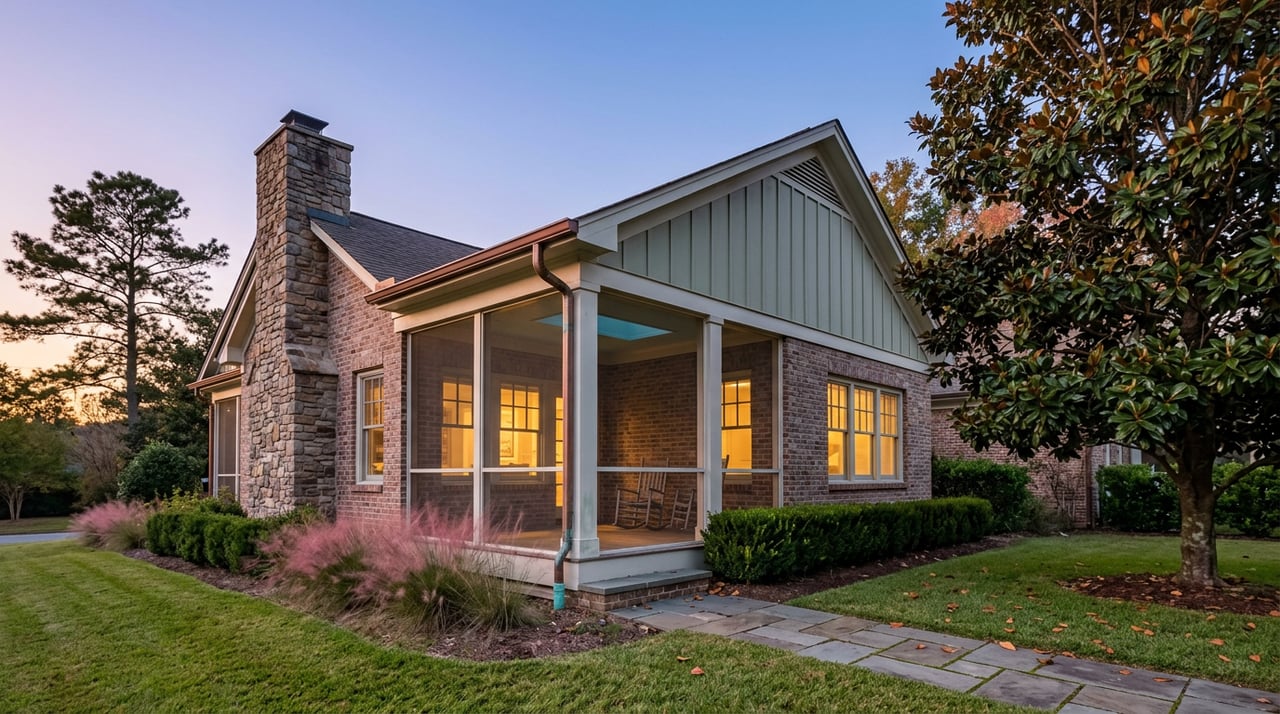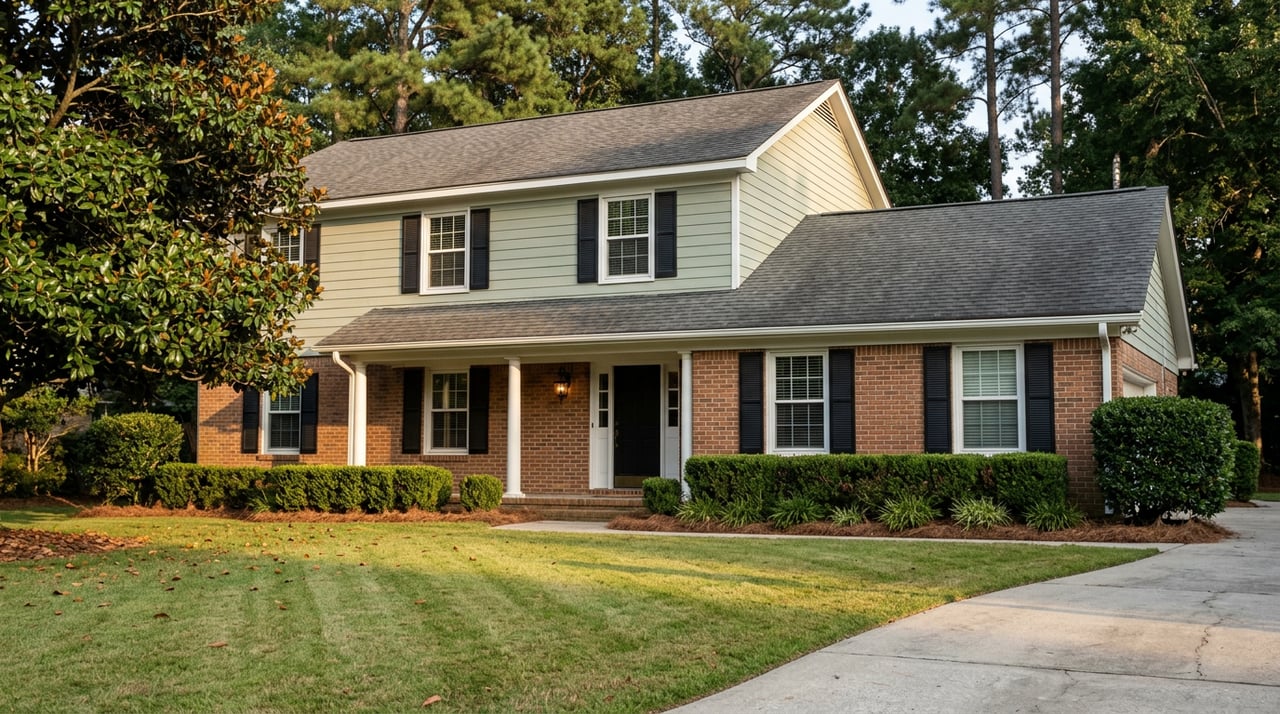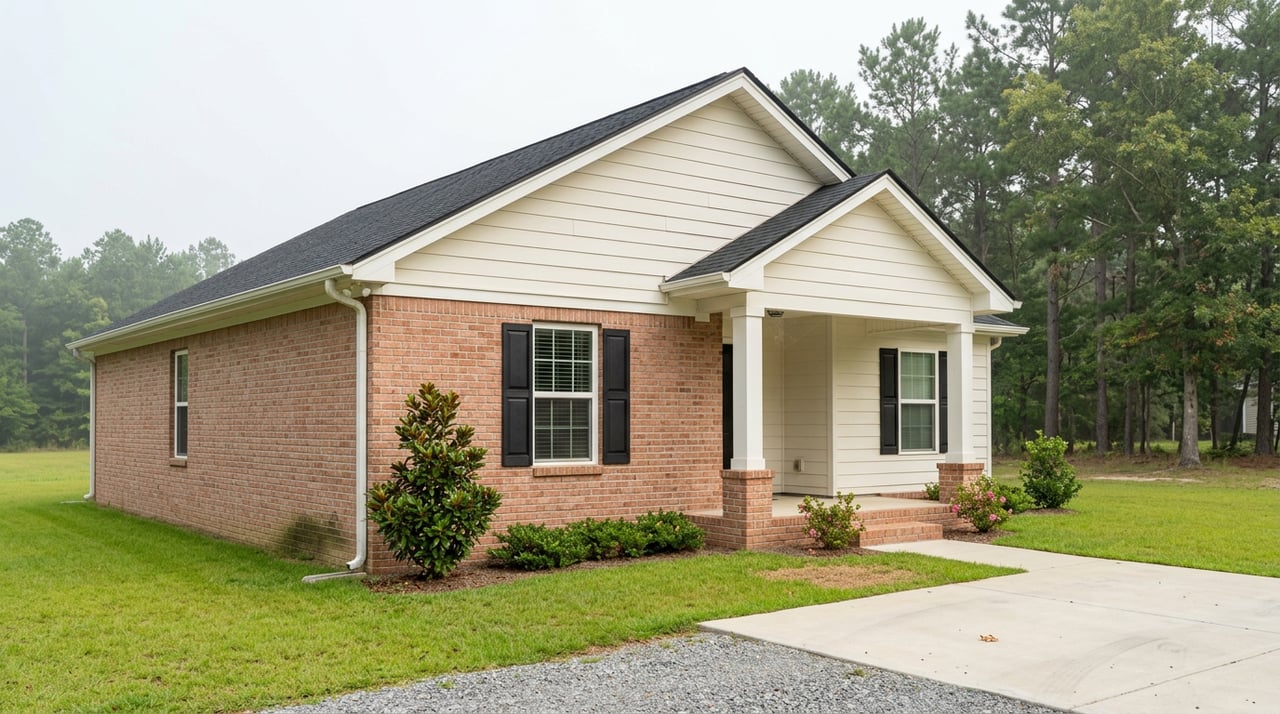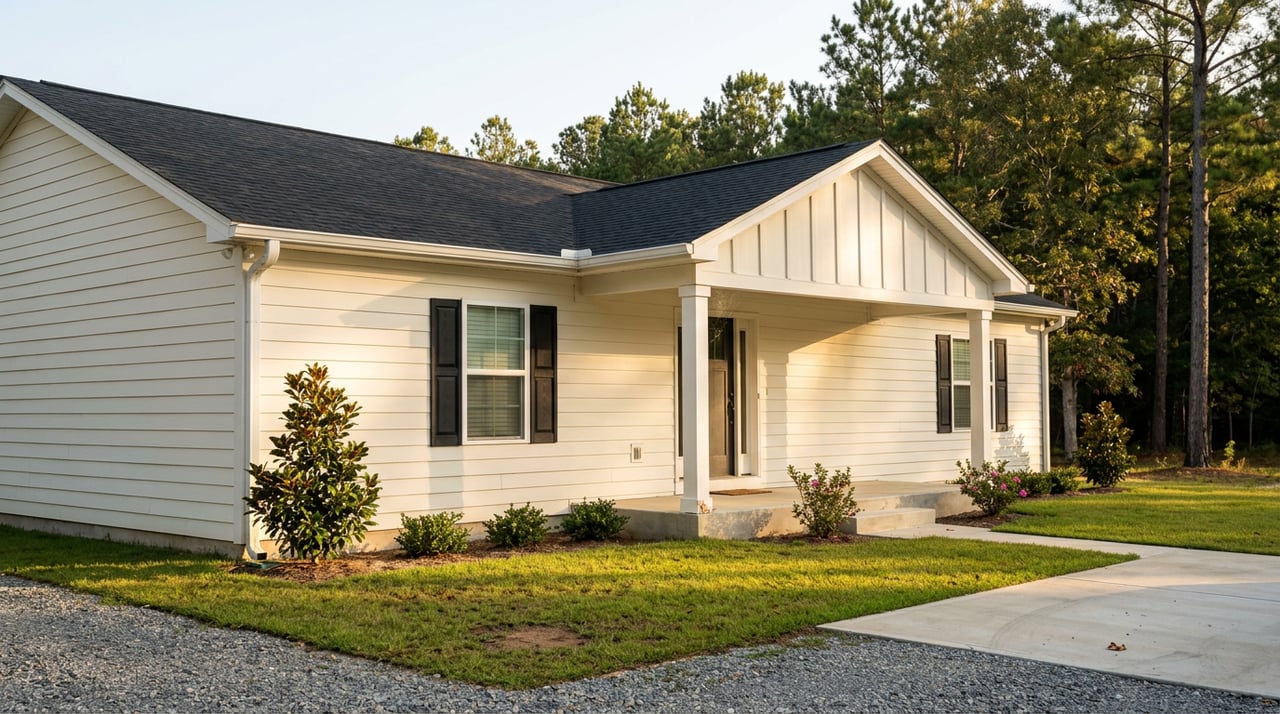
A buyer scrolling land listings in Pomaria this summer will see a 1.2-acre parcel on Crims Creek Trail for around $45,000, sitting a few doors down from a finished 1,500-square-foot new-construction home that closed near $319,900. The math looks simple: buy the cheap dirt, add a build budget, land somewhere below what the finished house cost. What that comparison leaves out is a second bill that has nothing to do with lumber or labor, one that shows up after closing rather than before it, and that South Carolina counties will not prorate between buyer and seller.
That bill is the agricultural rollback tax, and in a place like Pomaria, where sprawling fields and small farms shape most of the acreage still for sale, it is not a rare edge case. It is closer to the default.
The tax that doesn't show up until you pull a permit
South Carolina lets landowners who keep property in genuine agricultural or timber use pay taxes on a fraction of its market value instead of the full amount, a break granted under state law rather than something a county can opt out of. The moment that land changes use, whether that means clearing a pad for a house, subdividing it into residential lots, or converting pasture to a driveway, the county recalculates what would have been owed if the land had been taxed at full market value all along, then bills the difference. That bill covers the year the use changed plus the three tax years immediately before it, which means a buyer can be looking at up to four years of back taxes landing at once, not spread out, not phased in.
South Carolina law does not say who has to pay it. The county assessor bills whoever owns the property on December 31 of the year the use changes, and it is left entirely to the parties and their attorneys to negotiate who covers it before the contract is signed. Counties will not split the difference between a buyer and seller who never talked about it.
Newberry County just made the gap wider
The rollback formula compares two numbers: what the land was taxed at under agricultural use, and what it would be taxed at under fair market value. The agricultural side of that comparison moves slowly by design. The market side just moved a lot.
Newberry County mailed reassessment notices on August 21, 2025, and for some property owners the new numbers were a shock. One longtime Newberry resident told WLTX her assessed value had doubled. County Administrator Jeff Shacker didn't dispute that the increases were real.
"South Carolina is a growing state, Newberry County is a growing county, and the value of land and property has increased."
That statement explains the tax bills homeowners are already living with. It also explains why the rollback exposure on a tract of raw land is larger today than it would have been five years ago. Reassessment raises the fair-market side of the rollback equation across the county, while the agricultural-use side stays anchored to its own valuation basis. Widen one side of a subtraction problem and the answer gets bigger, even if nothing about the specific parcel has changed. The county's own explainer on the reassessment confirms the values went up because the market did.
What "hunting retreat" language is actually telling you
Land listings in Pomaria tend to describe themselves in a particular vocabulary. Parcels get pitched as good for a small farm, a hunting retreat, or timber, with the seller noting the buyer will need to install a well and septic system themselves. That language is a description of current use as much as it is a sales pitch. If a tract is being marketed around its farming, grazing, or timber potential, there is a real chance the county still has it enrolled in the agricultural special assessment, which means building on it is the trigger that starts the rollback clock.
A finished home tells a different story. Once a builder has already cut the pad, run utilities, and closed the sale, whatever change-of-use conversation needed to happen has already happened, and whatever it cost was worked into the numbers before the buyer ever saw the listing.
| What's for sale | Status | What the ag classification looks like | What a buyer should ask |
|---|---|---|---|
| A finished new-construction home, roughly 1,500 square feet, sold on Crims Creek Trail this year near $319,900 | Built, closed | The conversion, if there was one, already happened before the sale | Nothing on rollback specifically, the house already stands |
| Raw acreage nearby on Crims Creek Trail, roughly 1.2 acres, listed in the $45,000 to $50,000 range | Undeveloped | Unconfirmed until the assessor checks the parcel, and the marketing language around future homesites suggests it may still carry a special assessment | Get the county's current classification and a written rollback estimate before writing an offer |
The bill in Columbia that would shrink this, someday
State lawmakers have already noticed that a four-year lookback can hit hard. House Bill H.3367, introduced in January 2025 by Representatives Long, Lawson, McCravy and a long list of cosponsors, would cut the rollback lookback from three prior tax years down to one, shrinking the total exposure from up to four tax years to two. The bill text is public on the South Carolina Legislature's own site.
As of this writing, the bill has not passed. It remains in the House. Anyone shopping land in Pomaria right now should plan around the rollback rules that are actually in effect today, not the friendlier version that may or may not become law. A change like this, if it does pass, will not apply retroactively to a bill already assessed.
What to actually do before you write an offer
- Call the Newberry County Assessor's Office at 1512 Martin Street, 803-321-2125, and ask directly whether the parcel currently carries an agricultural or timberland special assessment.
- Request a written rollback estimate before you go under contract, not after. The Burr & Forman law firm's guidance on this exact issue notes that a closing attorney can typically obtain this figure from the assessor ahead of time.
- Put the responsibility in writing. Since state law leaves the buyer-versus-seller question open, silence in the contract means the county will simply bill whoever owns the land on December 31 of the change year.
- Time the building permit on purpose. Pulling a permit or clearing a pad is often the action the assessor points to as evidence of a change in use, so know what triggers the clock before you start.
A short FAQ
Does buying any raw land in Pomaria mean I'll owe a rollback tax? Only if the specific parcel currently carries an agricultural or timber special assessment and you change its use. Land that's already taxed at full market value carries no rollback exposure.
Who is legally required to pay it, the buyer or the seller? Neither, by default. South Carolina law doesn't assign it, so it has to be negotiated and written into the contract, or the county bills whoever owns the property when the use changes.
Can I apply for the agricultural classification myself after I buy the land? Yes, but that's a separate, forward-looking decision about your own future tax bill, not a way to undo a rollback already triggered by a prior owner's change in use. The application has to be filed with the assessor by the first penalty date of the tax year you're claiming.
Land math in a place like Pomaria isn't just acreage and price per acre. It's acreage, price per acre, and a tax history the listing photos will never show you. If you're weighing a raw parcel against a finished lot, or trying to figure out what a specific tract on Crims Creek Trail or Koon Trestle Road is actually going to cost once the county gets involved, Bill Prebeck has spent years working through exactly this kind of build-versus-buy math with clients in Newberry County. Let's Connect before you write the offer, not after.